

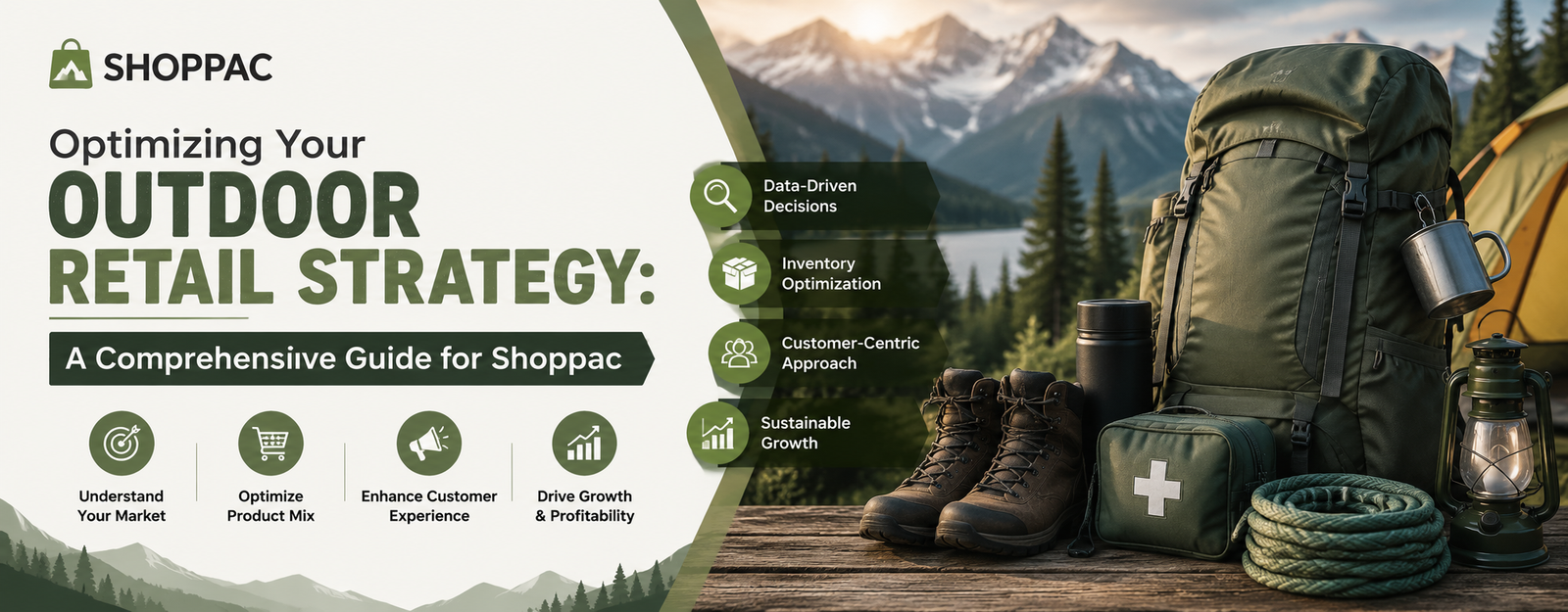
Optimizing Your Outdoor Retail Strategy: 7-Step Comprehensive Guide for Shoppac

✨ Optimized SEO Meta Description
Learn how Optimizing Your Outdoor Retail Strategy: A Comprehensive Guide for Shoppac can help improve sales performance, streamline product management, and enhance customer experience in your outdoor retail business.
Understanding WooCommerce SEO
WooCommerce SEO is a critical component for outdoor retail businesses aiming to enhance their online visibility. At its core, effective WooCommerce SEO involves optimizing the online store to improve its ranking in search engine results, ultimately driving organic traffic and increasing sales. The first step toward successful SEO is conducting comprehensive keyword research specific to the outdoor retail niche. This entails identifying terms and phrases that potential customers are likely to use when searching for products such as camping gear, hiking equipment, or outdoor apparel.
Utilizing tools such as Google Keyword Planner, Ahrefs, or SEMrush can provide insights into popular keywords and competition levels. Focus on long-tail keywords that are relevant to your outdoor products, as these tend to have lower competition and higher conversion rates. For example, instead of targeting a broad term like “outdoor gear,” one might target specific phrases such as “lightweight camping tents” or “durable hiking backpacks.” Incorporating these keywords naturally into product titles, descriptions, and meta tags is essential for on-page optimization.
On-page optimization strategies are equally important in WooCommerce SEO. Ensure that product pages are well-structured, with descriptive headings and subheadings that incorporate keywords. High-quality images and detailed product descriptions that utilize relevant terms can significantly enhance user experience and search engine competitiveness. Additionally, optimizing the website’s loading speed, ensuring mobile responsiveness, and incorporating user-friendly navigation are all crucial factors that contribute to SEO effectiveness.
Furthermore, leveraging essential SEO tools can aid in monitoring performance and identifying areas for improvement. Plugins like Yoast SEO or Rank Math offer functionalities that assist in optimizing content effectively, making them invaluable resources for WooCommerce users. By implementing robust WooCommerce SEO strategies tailored to the outdoor retail sector, businesses can improve their online presence and connect with their target audience more effectively.
Retail Marketing Strategies for Outdoor Products
Developing effective retail marketing strategies for outdoor products requires a nuanced understanding of the target audience and the unique characteristics of the outdoor niche. Outdoor enthusiasts are not only passionate about their activities but also have specific preferences and needs that vary widely based on demographics and interests. Therefore, identifying target audiences through market research can help tailor marketing messages and offerings.
Building a marketing funnel is essential, starting from awareness to conversion. At the top of the funnel, effective use of social media platforms, especially those frequented by outdoor enthusiasts, can create brand awareness. Stunning visuals of outdoor products in action, coupled with engaging stories, can resonate well with potential customers. Collaborating with outdoor influencers who share authentic experiences can amplify reach and credibility.
Moving prospects down the funnel involves creating targeted content that addresses their needs and aspirations. Providing articles, videos, and tutorials on the usage of outdoor products can educate the audience while establishing the brand as an authority. Email marketing campaigns focused on segmenting audiences by interest, such as hiking, camping, or climbing, can also drive conversions by offering personalized recommendations and promotions.
When crafting promotions, consider seasonal trends and events in the outdoor calendar, like summer vacations or ski seasons, to create timely offers. Case studies of successful campaigns, such as promotions by established outdoor brands during these peak seasons, illustrate the impact of aligning campaigns with consumer interests. For instance, a brand that offers bundled discounts on camping gear around Memorial Day can significantly boost sales by catering to the consumers’ immediate needs.
Ultimately, the intersection of well-researched strategies and a deep understanding of the outdoor community can lead to successful retail marketing for outdoor products. Engaging, relevant content and promotions can cultivate loyalty among outdoor enthusiasts and drive long-term success.
Crafting Luxury E-commerce Copy for Outdoor Products
Creating compelling copy for luxury outdoor products requires a strategic approach that goes beyond simple descriptions. It begins with understanding the essence of the product and the desires of the target audience. When crafting product descriptions, storytelling plays a vital role. Each piece of gear or apparel should narrate a unique story that resonates with customers, evoking emotions and a sense of adventure. By illustrating scenarios where the products are used, such as a serene mountain hike or an exhilarating kayaking trip, you transport potential buyers into those experiences, making them more likely to visualize themselves using the item.
Another crucial aspect is the development of a distinct brand voice. This voice should reflect the luxury nature of the products and connect authentically with the audience. It can range from sophisticated and elegant to adventurous and spirited, depending on the brand’s identity. Consistency in this voice across all product copy fosters a strong brand image, enhancing customer relationship and trust. Furthermore, incorporating elements of artisanal craftsmanship and attention to detail can elevate the perceived value of the products, appealing to customers’ aspirations for excellence.
Moreover, the use of persuasive language is essential to enhance engagement and conversion rates. This involves using powerful adjectives and vivid imagery to paint a picture of the product’s features and benefits. Highlighting aspects such as superior materials, innovative technology, or exclusive designs can entice customers to feel that they are not just purchasing a product but investing in an experience. By combining these elements—storytelling, brand voice, and persuasive language—outdoor retailers can effectively craft luxury e-commerce copy that not only showcases their products but also captivates their audience, driving conversions and fostering brand loyalty.
The Role of Product Photography in E-commerce Success
In the realm of e-commerce, particularly within the outdoor retail sector, product photography plays a crucial role in influencing customer purchasing decisions. High-quality visuals serve as the first point of interaction between the customer and the product, making them indispensable for creating a compelling online shopping experience. Effective photography not only showcases the product but also communicates its features, quality, and potential uses, all of which are vital for a consumer contemplating a purchase.
To achieve optimal results, outdoor products should be photographed in natural settings that reinforce their functionality and appeal. For example, a hiking backpack can be more persuasive when displayed against a scenic backdrop or in practical use by a model. Such contextual images help the customer visualize the product in real-life scenarios, enhancing emotional engagement and trust.
Moreover, consistency in lighting, background, and angles is essential in building a professional photography portfolio. Each image should align with brand aesthetics and maintain uniformity across the product line to foster brand identity. Close-ups of the product’s details, such as zippers, stitching, and materials, should be included to emphasize quality and craftsmanship. Additionally, incorporating interactive elements like 360-degree views or videos can further enrich the visual experience, granting customers a comprehensive understanding of the product.
In summary, investing in high-quality product photography is a strategic approach in outdoor retail that can significantly increase conversion rates. By effectively portraying products through well-thought-out visuals, retailers inspire confidence in potential buyers, thereby enhancing overall e-commerce success. Prioritizing professional photography is not merely aesthetic but a pivotal component in building a trustworthy online presence.
Conversion Rate Optimization Techniques
Implementing effective conversion rate optimization (CRO) techniques is essential for outdoor retail businesses seeking to improve their customer engagement and sales. One of the primary factors influencing conversion is the design of your website. An intuitive, user-friendly website is paramount. Ensure that your website is visually appealing, easy to navigate, and optimized for mobile users, as a significant portion of online shopping is conducted through mobile devices. Simplifying the path to purchase can significantly reduce drop-off rates, thereby enhancing overall conversion rates.
User experience can be further enhanced through personalization. This can be achieved by recommending products based on a customer’s past purchases or preferences, encouraging repeat visits and fostering customer loyalty. High-quality images and detailed product descriptions are equally vital, as they help consumers make informed decisions, contributing to higher conversion rates.
The implementation of A/B testing strategies also plays a crucial role in optimization. By systematically testing variations of a webpage, outdoor retailers can analyze which elements perform better in terms of user engagement and conversions. This may involve experimenting with different calls to action, button placements, or even altering product page layouts. Over time, small adjustments can lead to significant improvements in conversion rates.
Equally important is utilizing customer testimonials and reviews effectively. Positive feedback from previous customers not only builds trust but also influences potential buyers. Displaying reviews prominently on product pages, and encouraging satisfied customers to share their experiences can significantly impact purchasing decisions. Addressing any negative reviews thoughtfully can also demonstrate your commitment to customer service.
In conclusion, focusing on these conversion rate optimization techniques can greatly enhance the effectiveness of your outdoor retail strategy, ultimately leading to improved sales performance and customer satisfaction.
Creating a Professional Brand Identity for Outdoor Retail
Developing a strong brand identity is crucial for any outdoor retail business aiming to stand out in a competitive market. A professional brand identity encompasses various elements, including brand consistency, logo design, color schemes, and the alignment of brand values with the interests of the target market.
Brand consistency refers to maintaining uniformity in messaging, visuals, and customer experience across all channels. This ensures a cohesive brand image that resonates with customers and fosters brand recognition. To achieve this consistency, outdoor retailers should create and adhere to brand guidelines that define their style, tone, and overall messaging. This consistency is vital as it not only reinforces the brand’s identity but also builds trust and credibility with consumers.
Logo design plays a pivotal role in establishing a memorable brand identity. A well-designed logo should reflect the essence of the outdoor retail business, evoking feelings that resonate with the target audience. It is important to consider the simplicity and versatility of the logo, ensuring it can be effectively utilized across various platforms, from product packaging to social media. Moreover, the color scheme chosen for the brand should emote the spirit of adventure and nature, serving as a visual representation of the outdoor lifestyle.
Another critical aspect of brand identity is aligning brand values with the interests of the target market. Outdoor retail businesses should identify their core values, such as sustainability, quality, or community engagement. These values should not only reflect the company’s ethos but also resonate with the target audience, fostering a deeper connection with potential customers. Understanding the preferences and values of the target demographic allows businesses to craft marketing messages and product offerings that genuinely appeal to their audience.
Leveraging Social Media for Outdoor Product Marketing
In today’s digital landscape, leveraging social media for outdoor product marketing is essential for businesses aiming to connect with their target audience effectively. Social media platforms such as Instagram, Facebook, and TikTok are pivotal in reaching outdoor enthusiasts and potential customers who are passionate about adventure and nature.
On platforms like Instagram, visually appealing content plays a critical role in capturing attention. Outdoor brands should prioritize sharing high-quality images and captivating videos that showcase their products in use, highlighting their functionality and the lifestyle associated with them. User-generated content can also be integrated into marketing strategies, encouraging customers to share their experiences with the products. This not only creates authenticity but also fosters a sense of community among outdoor enthusiasts.
Engagement is another fundamental aspect of a successful social media marketing strategy. It is vital to interact with followers through comments, direct messages, and polls, thereby building stronger relationships and brand loyalty. Regularly posting updates, launching contests, or hosting live Q&A sessions can enhance community involvement and increase visibility within target demographics.
Collaboration with outdoor influencers presents a significant opportunity to expand reach and enhance credibility. By partnering with well-known athletes, adventurers, or content creators in the outdoor space, brands can tap into established audiences that align with their values. These collaborations often yield authentic promotional content and effectively introduce products to a wider audience.
Furthermore, utilizing paid advertising on social media can supplement organic efforts, ensuring outdoor products are effectively seen by the desired audience. Targeting specific demographics and interests via ads can increase brand awareness and drive audience engagement. To summarize, a well-rounded social media strategy tailored for outdoor products can significantly enhance marketing efforts and cultivate a thriving outdoor community.
Paid Advertising Strategies for Increasing Outdoor Product Sales
Paid advertising is a crucial component of any effective retail strategy, particularly for businesses in the outdoor sector such as Shoppac. Implementing a well-structured advertising campaign can significantly boost visibility and sales of outdoor products. Popular platforms for paid advertising include Google Ads, Facebook Ads, and Instagram promotions, each providing unique targeting options and ad formats.
Google Ads allows retailers to reach potential customers actively searching for outdoor gear. By utilizing keyword targeting, Shoppac can position its ads to appear when users search for specific terms such as “outdoor jackets” or “camping equipment.” The platform’s various ad formats, including text ads and shopping ads, enable businesses to showcase their product offerings effectively. Additionally, incorporating ad extensions can enhance visibility and provide more information to potential buyers, increasing click-through rates.
Facebook Ads and Instagram promotions offer robust targeting capabilities, allowing Shoppac to tailor its approach based on user demographics, interests, and behaviors. These platforms are particularly effective for visually-oriented products, making them ideal for showcasing outdoor gear and lifestyle imagery. Carousel ads can display multiple products in one ad, and video ads can highlight product features or outdoor activities, creating an engaging experience for users.
To measure the effectiveness of these paid advertising strategies, businesses should track key performance indicators (KPIs) such as click-through rates, conversion rates, and return on ad spend (ROAS). Utilizing tools like Google Analytics and Facebook Insights can provide valuable data on how ads perform and how they drive traffic to the company’s website. By constantly analyzing this data, Shoppac can refine its advertising strategies to maximize reach and ensure that its campaigns are driving sales effectively.
Integrating Modern Retail Design Principles
In the competitive outdoor retail landscape, the application of modern retail design principles is essential for enhancing overall customer experience and driving sales. The layout design should prioritize intuitive navigation, enabling customers to explore products with ease. A well-organized store layout promotes accessibility and allows shoppers to discover various product categories efficiently. For outdoor retail businesses, incorporating zones dedicated to specific activities—such as hiking, camping, or climbing—can guide consumers naturally through the store.
User-friendly navigation extends beyond the physical layout to include digital interfaces, especially with the rise of e-commerce. Developing a mobile-responsive website is paramount, as more consumers are turning to their devices for shopping. An optimized mobile experience can significantly enhance user engagement and conversions. Therefore, outdoor retailers must ensure their website is easily navigable, offers mobile-optimized images and product descriptions, and maintains a streamlined checkout process.
Aesthetics play a crucial role in influencing consumer behavior and purchasing decisions. The design of the retail space should reflect the brand’s identity and create an immersive experience that resonates with the target audience. Using natural materials, vibrant colors, and thematic displays can evoke emotions associated with the great outdoors, encouraging customers to envision themselves using the products in real-life scenarios. Additionally, effective use of lighting can highlight key products and create an inviting atmosphere, enhancing the overall shopping experience.
By integrating these modern retail design principles, outdoor retailers can elevate their presence in a crowded market. A focus on practical layout design, seamless navigation, mobile adaptation, and compelling aesthetics is vital for capturing consumer interest and fostering brand loyalty.